The Pownall Lecture in Chemistry brings experts to Wilkes to discuss exciting topics in research, chemistry and more!
Metalloendocrinology: How Copper, Iron, and Zinc Talk to Hormones in Health and Disease
This lecture is open to the public, no registration required.
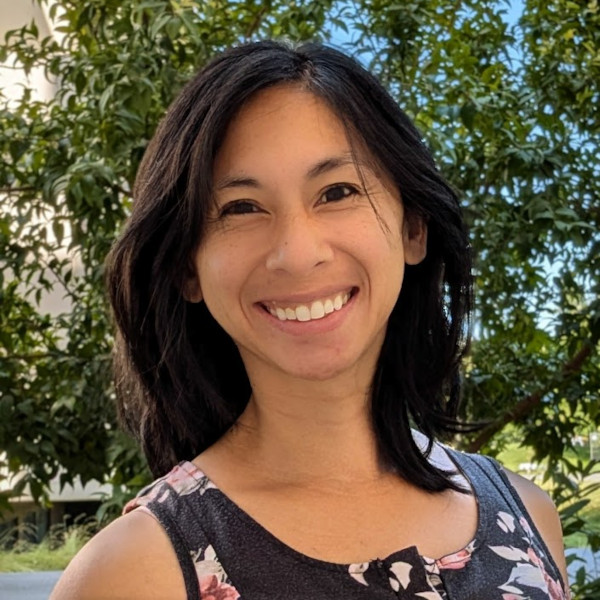
Copper, iron, and zinc are essential to life, but too much, too little, or the wrong form of these metals is linked to diseases from diabetes to cancer. What matters is not just how much metal is present, but where it is and what it is bound to. Most tools for studying metal "speciation" focus on the inside of cells, while clinical blood tests typically measure only total metal levels, which catch extreme deficiency or overload but miss subtler imbalances.
In this talk, I will describe how my lab uses chemical reactivity to explore metals in the extracellular space, particularly blood, where metals interact with hormones and carrier proteins in ways we are only beginning to understand. I will discuss new detection methods, proteomics-based approaches, and molecular studies of clinically relevant biomolecules. I will also show how this emerging area, which we call metalloendocrinology, informs nutritional strategies, therapeutic peptide design, and biomarker discovery for metabolic disease.
About Marie Heffern, PhD
Marie Heffern is an Associate Professor and Vice Chair of Academic Personnel of the Department of Chemistry at the University of California, Davis, where she also serves as Scientific Director of the Campus Mass Spectrometry Facilities and Co-Director of the NIGMS T32 Chemical Biology Program. Her research sits at the intersection of bioinorganic chemistry, analytical chemistry, and chemical biology, focusing on how trace metals like copper, zinc, and iron influence hormone function and metabolic health, with the goal of uncovering new biomarkers and diagnostic approaches for conditions such as diabetes, liver disease, and cancer.
She earned her B.S./B.A. in Chemistry and Religious Studies, with a minor in Ancient Religions and Classical Languages, from the University of Southern California. She received her Ph.D. from Northwestern University as an NSF Graduate Research Fellow with Prof. Thomas Meade, and completed postdoctoral training at UC Berkeley as a UC President's Postdoctoral Fellow with Prof. Christopher Chang, developing imaging probes for redox-active metals in living systems. Recent recognitions include the ACS Jonathan L. Sessler Award for Emerging Leaders in Medicinal and Bioinorganic Chemistry, the Paul Saltman Young Investigator Award, the Agilent Research Catalyst Award, and appointment as a College of Letters and Science Dean's Faculty Fellow.
About the Lecture Series
The Pownall Lecture in Chemistry was established thanks to Henry J. and Linda C. Pownall. Henry Pownall, PhD, graduated from Wilkes College in 1967 with a master’s degree in chemistry. He earned his doctorate from Northeastern University in physical chemistry with postdoctoral fellowships in molecular spectroscopy at the University of Houston and biochemistry at Baylor College of Medicine with an emphasis on lipid metabolism.
Past Speakers & Topics
Past Speakers & Topics
- 2025: Jessica Larsen, PhD - Leveraging Chemistry to Overcome Biologic Barriers in Neurologic Disease Treatment
- 2024: Henderson “Jim” Cleaves, PhD - Understanding the Chemical Origins of Life
- 2023: Ann Valentine, PhD - Exploring a Role for Titanium in Biochemistry
- 2022: David Yaron, PhD - Using Machine Learning to Improve Quantum Chemistry and to Advance Student Learning